
10 Essential Meals Every Nigerian Student Should Learn to Cook

Written By: Adetunji Matthew – Proffmatt
Last Updated on: March 13, 2025


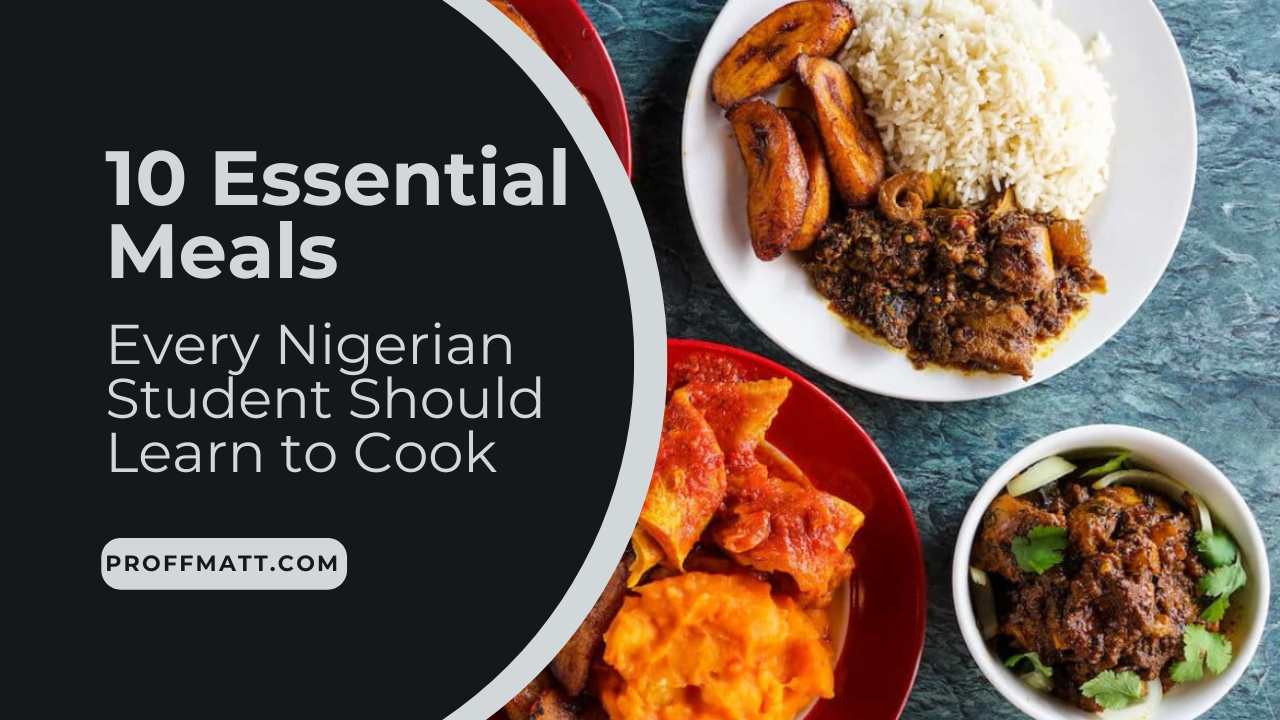
Cooking is a vital skill, especially for Nigerian students. Knowing how to prepare meals can save money and promote better nutrition. It’s not just about eating; it’s about independence and making healthier choices.
In this post, you’ll discover ten essential meals every student should learn to cook. From simple to satisfying, these recipes are budget-friendly and easy to master. Whether you’re living in a hostel or sharing an apartment, these meals will help you become more self-reliant in the kitchen.
Get ready to boost your cooking skills and enjoy the benefits of making your own meals!
Classic Nigerian Dishes Every Student Should Master
Learning to cook classic Nigerian dishes is essential for students. These meals are not only fulfilling but also represent the rich culinary traditions of Nigeria. Mastering these recipes will boost your confidence in the kitchen and impress your friends. Here are three must-know dishes that every Nigerian student should add to their culinary repertoire.
Jollof Rice
Jollof Rice is a party favorite and a staple in many households. This dish is often a centerpiece at gatherings and celebrations. To prepare it, you’ll need the following ingredients:
- Long-grain rice
- Tomatoes
- Onion
- Bell peppers
- Spices (thyme, curry powder, salt)
- Cooking oil
Cooking Tips: Start by blending the tomatoes, onion, and bell peppers into a smooth paste. Sauté the mixture in oil until fragrant, then add in your rice. Ensure you cover the pot to allow the rice to steam properly.
Variations: Add protein like chicken, fish, or shrimp for a heartier meal. You can also spice it up with extra bell peppers or coconut milk for a unique flavor.
Significance: Jollof Rice is more than just a dish; it symbolizes unity and celebration in Nigerian culture. It often sparks friendly debates on which region makes the best version!
Egusi Soup
Egusi Soup is a rich and hearty dish made from ground melon seeds. It’s both comforting and nutritious, making it a popular choice for lunch or dinner. To make Egusi Soup, you will need:
- Egusi (melon seeds)
- Spinach or another leafy vegetable
- Palm oil
- Meat (beef, goat, or chicken)
- Onions and spices (seasoning cubes, pepper)
Preparation Process: Begin by boiling your meat until tender. Blend the egusi into a fine powder and fry it in palm oil. Add the boiled meat, stock, and water to create a thick soup base. Stir in the vegetables toward the end of cooking to retain their vibrant color and nutrients.
Serving Suggestions: Serve Egusi Soup with pounded yam, fufu, or rice. It’s perfect for sharing with friends, giving a sense of community and tradition.
Pounded Yam and Efo Riro
Pounded yam is a beloved staple that pairs beautifully with many Nigerian soups, including Efo Riro. To prepare pounded yam, you will need:
- Yam tubers
How to Prepare: Peel and cut the yam into chunks. Boil until soft, then pound with a mortar and pestle or a stand mixer until smooth and stretchy. The texture should be light and fluffy.
For Efo Riro, gather these ingredients:
- Leafy greens (such as spinach or Amaranth)
- Bell peppers and tomatoes
- Onions
- Ground crayfish
- Palm oil
- Protein (fish or meat)
Efo Riro Recipe: Blend the tomatoes and bell peppers. Sauté the onions in palm oil before adding the blended mixture. Cook until thickened, then stir in the leafy greens and protein of choice.
Nutrition: Pounded yam provides carbohydrates for energy, while Efo Riro offers vitamins and minerals. This dish is both satisfying and a great way to get your daily nutrients.
Mastering these classic Nigerian dishes will not only enhance your cooking skills but also connect you with the culture and traditions of Nigeria. Enjoy the journey of cooking!
Quick and Easy Meals for Busy Students
As a busy student, you might find it challenging to whip up healthy and delicious meals. Fortunately, there are numerous easy recipes that you can prepare in no time. Here are three quick meals that every student should know how to cook, keeping in mind their busy schedules.
Fried Rice
Fried rice is a versatile and flavorful dish that you can easily tailor to your taste. Here’s a simple step-by-step guide to making a satisfying plate of fried rice:
- Ingredients Needed:
- 2 cups of cooked rice (preferably day-old for best texture)
- 1 cup of mixed vegetables (carrots, peas, and bell peppers)
- 2-3 eggs
- 2 tablespoons of soy sauce
- 2 tablespoons of vegetable oil
- Salt and pepper to taste
- Optional protein add-ins: chicken, shrimp, or tofu
- Cooking Instructions:
- Heat the vegetable oil in a large frying pan or wok over medium heat.
- Scramble the eggs in the pan until fully cooked, then transfer them to a plate.
- In the same pan, add the mixed vegetables and stir-fry for about two minutes.
- Add the cooked rice and soy sauce, mixing everything thoroughly. Add the scrambled eggs back into the pan.
- Cook for another few minutes, stirring occasionally. Season with salt and pepper to your liking.
- If desired, toss in your chosen protein and heat through.
Fried rice is great for using leftover rice and can be customized with whatever proteins or vegetables you have on hand. It’s satisfying and full of flavor!
Beans and Plantain
Beans and plantain make for a nutritious meal that is easy to cook. Rich in protein and fiber, this meal combines taste and health. Here’s how to make it:
- Ingredients:
- 2 cups of beans (black-eyed peas or brown beans)
- 2-3 ripe plantains
- 1 onion
- 2-3 tablespoons of palm oil
- Salt to taste
- Optional spices: pepper and seasoning cubes
- Cooking Process:
- Start by boiling the beans in plenty of water until they are tender.
- In another pot, heat palm oil and sauté chopped onions until golden brown.
- Add the cooked beans to the pan, along with any spices you prefer, and stir well to combine.
- While the beans cook, peel and slice the plantains. Fry them in a separate pan until golden brown on both sides.
- Serve the sautéed beans alongside the fried plantains for a complete meal.
This dish is not only easy to prepare but also fills you up and provides essential nutrients to keep you energized throughout your day.
Nkwobi
Nkwobi is a traditional delicacy that many love for its rich flavor and unique presentation. Here’s how to make this delightful dish, along with variations you can try:
- Ingredients:
- 1 kg of cow foot (or goat leg)
- 2 tablespoons of ground pepper
- 1 tablespoon of ground crayfish
- Palm oil (as preferred)
- 2 tablespoons of potash (optional)
- Seasoning cubes and salt to taste
- Utazi leaves for garnish
- Recipe:
- Boil the cow foot until it’s very tender. This may take about two hours. Reserve the cooking stock.
- In a separate bowl, mix the ground pepper, crayfish, and a bit of the reserved stock.
- Pour palm oil into the mixture until you reach a paste-like consistency, adding seasoning cubes and salt for flavor.
- Combine the tender cow foot with the paste and mix well.
- Serve in a bowl, garnished with sliced utazi leaves.
- Variations:
- For a spicier version, you can add more ground pepper.
- Some enjoy adding onions or a splash of local beer for extra flavor.
Nkwobi is not your everyday meal, but it’s perfect for special occasions or when you want to treat yourself. It’s rich, luxurious, and brings a touch of home to your table.
These effortless recipes are not only time-saving but also allow you to enjoy delicious meals without much hassle. Try them out and elevate your cooking game while balancing your student life!
Healthy Meal Options on a Budget
Eating healthy on a budget is entirely possible with the right strategies. As a student, you want meals that are not only affordable but also nutritious. Here are three healthy meal options that won’t break the bank, providing you with the energy and nutrients you need for your studies.
Vegetable Stir-fry
A vegetable stir-fry is a quick and easy way to enjoy a variety of colorful veggies. Not only does it take just a few minutes to prepare, but it’s also quite budget-friendly because you can use whatever vegetables are in season or on sale.
- Affordable Vegetable Options: Look for vegetables like carrots, bell peppers, cabbage, and greens. These are often inexpensive and packed with vitamins. Frozen vegetables are also a great option and can be kept for longer periods.
- Quick Cooking Methods: Heat a bit of oil in a pan, add your vegetables, and stir-fry them over high heat. This quick cooking method keeps the nutrients intact while enhancing flavors. Try adding a little soy sauce or chili flakes to spice things up.
- Serving Ideas: Pair your stir-fry with rice or noodles for a complete meal. Adding a protein source like tofu or eggs can boost the dish’s nutritional value without spending much.
Oatmeal with Nigerian Twist
Oatmeal doesn’t have to be boring. You can easily give it a Nigerian twist to make it tasty and nutritious. Oats are not only cheap but also a good source of fiber, helping to keep you satisfied throughout the day.
- Local Fruits and Spices: Top your oatmeal with ripe bananas, mangos, or pawpaw. A sprinkle of ground nutmeg or cinnamon can also elevate the flavor significantly. Try adding a spoonful of groundnuts (peanuts) or a drizzle of honey for an extra treat.
- Preparation Tips: Cook your oats according to package instructions. For added creaminess, consider using milk or a dairy alternative. Once cooked, mix in your favorite toppings for a delightful breakfast that hits the spot.
- Health Benefits: Oatmeal is great for your heart and can improve digestion. It’s an affordable way to start your day with energy.
Chickpea Stew
Chickpeas are power-packed with protein and very affordable. Making a chickpea stew is a fantastic option for a filling meal. This hearty dish is delicious and easy to customize based on what you have on hand.
- Cost-Effective Ingredients: Besides chickpeas, you’ll need tomatoes, onions, garlic, and spices like curry powder or cumin. These ingredients are often inexpensive and offer plenty of flavors. Canned chickpeas save you time and are a budget-friendly convenience.
- How to Prepare: Start by sautéing onions and garlic in a pot. Add diced tomatoes and let them simmer until soft. Then, stir in the chickpeas and your spices. Let it cook for about 10-15 minutes for the flavors to meld.
- Serving Suggestions: This stew pairs well with rice or bread. It’s a complete meal that’s both affordable and filling.
These meal options are perfect for students looking to eat well without stretching their budgets. They’re simple, quick, and customizable to suit your taste, offering a nutritious way to fuel your studies while saving money.
Learning to Cook International Dishes
Expanding your kitchen skills to include international dishes can be a delightful journey. It allows you to explore different flavor profiles and cooking techniques while using ingredients that are accessible and familiar. Here are three international meals that Nigerian students can easily recreate using local favorites.
Spaghetti Bolognese
Spaghetti Bolognese is a classic Italian dish that’s known for its rich flavors. Here’s a simple recipe to get you started:
Ingredients:
- 250 grams of spaghetti
- 200 grams of minced meat (beef or chicken)
- 1 can of chopped tomatoes
- 1 onion, diced
- 2 cloves of garlic, minced
- Olive oil or vegetable oil
- Salt and pepper to taste
- Optional: Carrots and bell peppers for extra veggies
Cooking Instructions:
- Cook the spaghetti according to the package instructions; drain and set aside.
- In a pan, heat the oil and sauté the onion and garlic until fragrant.
- Add the minced meat and cook until browned.
- Pour in the chopped tomatoes, add salt and pepper, and let it simmer for about 15 minutes until the sauce thickens. Stir in chopped carrots or bell peppers if you like.
- Serve the sauce over the spaghetti with a sprinkle of grated cheese if available.
Variations with Local Ingredients: Use ground turkey or fish instead of beef. You can also add local herbs like curry powder or thyme to give it a Nigerian twist.
Chicken Curry
Chicken curry is packed with flavor and can be made using common spices found in Nigerian kitchens.
Ingredients:
- 500 grams of chicken (bone-in or boneless)
- 2 onions, chopped
- 3 cloves of garlic, minced
- 1 tablespoon of curry powder
- 1 can of coconut milk
- Salt to taste
- Fresh or dried pepper for heat
- Optional: Vegetables like potatoes or carrots
Cooking Instructions:
- In a large pot, heat some oil and sauté onions and garlic until golden.
- Add the chicken pieces and cook until they’re browned on all sides.
- Stir in the curry powder and any additional spices you enjoy.
- Pour in the coconut milk and bring the mixture to a simmer. You can add potatoes or carrots at this stage if you want.
- Let it cook for about 20-30 minutes until the chicken is tender. Adjust salt and add pepper to taste.
This dish is delicious served with rice or chapati.
Tacos with Local Ingredients
Tacos are versatile and can be made using various items you may already have in your kitchen. Here’s how to prepare them with a Nigerian twist.
Ingredients:
- 6 taco shells (or use small flatbreads)
- 200 grams of minced beef or chicken
- 1 cup of black beans (or kidney beans)
- 1 onion, diced
- 1 tomato, chopped
- Chili pepper or local pepper for spiciness
- Lettuce or cabbage for crunch
- Avocado or guacamole (optional)
Cooking Instructions:
- In a pan, cook the minced meat with diced onions until browned. Add the black beans and chili pepper, cooking until the mixture is heated through.
- Warm the taco shells in the oven or on a skillet.
- Assemble the tacos by adding the meat mixture, chopped tomato, and lettuce or cabbage. Top them with avocado or guacamole if you have it.
Incorporating Nigerian Flavors: Instead of traditional toppings, try using Nigerian ingredients like jollof rice instead of just lettuce, or add a drizzle of pepper sauce for a spicy kick.
Cooking a variety of international dishes not only enhances your skills but also brings new flavors to your dining table. Enjoy experimenting in the kitchen!
Tips for Efficient Cooking and Meal Preparation
Cooking efficiently can save you time and money. As a student, managing your meals wisely allows you to balance academics and healthy eating without added stress. Here are some practical strategies to help you master meal planning and maximize your ingredients.
Meal Prepping for the Week
Meal prepping is a smart way to ensure you have healthy meals ready when you need them. By dedicating a bit of time to plan and prepare, you’ll streamline your cooking routine. Here are some strategies to get started:
- Plan Your Menu: At the beginning of each week, jot down the meals you want to cook. Choose recipes that share ingredients to avoid waste. For example, if you plan to make Jollof Rice, you might also prepare a vegetable stir-fry using the same bell peppers and onions.
- Create a Shopping List: Once you have your menu, compile a list of all the ingredients you’ll need. This helps you avoid impulse buys and ensures that you have everything on hand.
- Batch Cooking: Set aside a few hours on the weekend to cook larger portions of your meals. Dishes like beans, rice, or soups can easily be made in bulk. Store them in single-serving containers for easy access during the week.
- Invest in Quality Storage: Use airtight containers to keep your prepped meals fresh. Label each container with the date so you can easily tell when to eat or toss leftovers.
- Opt for Versatile Ingredients: Choose base ingredients that can be used in multiple recipes. For example, cooked chicken can be included in salads, wraps, or rice dishes, giving you a variety of options without having to cook every day.
By following these strategies, you can simplify your cooking process, maintain a balanced diet, and save time throughout the week.
Using Leftovers Creatively
Leftovers can be a blessing when you know how to repurpose them. Instead of letting food go to waste, get creative! Here are some ideas to reimagine your leftover meals:
- Transform into New Dishes: Leftover Jollof Rice can be turned into a fried rice dish. Simply sauté some onions and vegetables, add the rice, and stir-fry until heated through.
- Create Soups or Stews: Leftover meats and vegetables can be a great base for soups. Just add some stock, seasonings, and any other veggies you have lying around. This is an easy way to get a healthy meal using what’s available.
- Wraps and Sandwiches: Use leftover proteins like chicken or beef in wraps. Add fresh veggies and a tasty sauce for a quick lunch. Alternatively, make a sandwich with leftover beans or chickpeas and your choice of bread.
- Frittatas: Leftover vegetables and proteins make a great filling for frittatas. Whisk some eggs, pour them into a hot skillet, and add your leftovers. It’s an easy way to whip up breakfast or lunch in no time.
- Freezing for Later: If you can’t use your leftovers quickly, freeze them! Most cooked dishes can be stored in the freezer for later use. Just make sure to label them so you remember what’s inside.
By thinking creatively, you not only minimize food waste, but you can also enjoy exciting new flavors without extra effort in the kitchen.
Conclusion
Cooking is more than just a necessity; it’s a skill that empowers you to live more independently and healthily. Learning these ten essential meals not only saves you money but also connects you to your culture and enhances your nutritional choices.
As you experiment in the kitchen, don’t hesitate to put your personal touch on these dishes. Why not invite friends over for a cooking session? It’s a fun way to share experiences and bond over great food.
Start your cooking journey today and transform your meals into satisfying, home-cooked delights! What dish will you try first?
Filed under:
Author:Adetunji Matthew – Proffmatt
Hi, I’m Adetunji Matthew! I am founder of Proffmatt.com, where I share my journey and help others build successful online businesses.


Leave a Reply