
Why Do People Propose on One Knee? Exploring the Tradition and Its Meaning

Written By: Adetunji Matthew – Proffmatt
Last Updated on: March 13, 2025


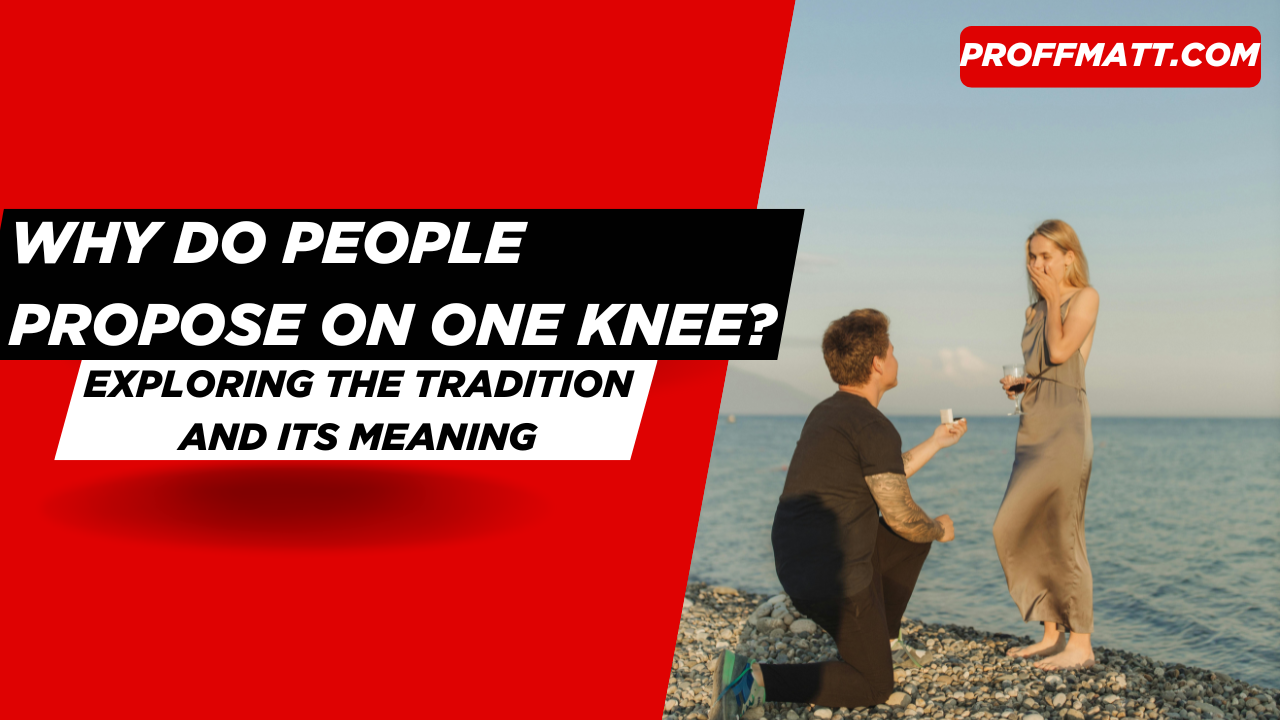
Picture this: a moment filled with anticipation, hearts racing, and a lifelong promise about to be made. Proposing on one knee has a deep-rooted tradition that many of us have come to expect during engagements. But why do people choose this gesture? It represents respect, love, and a willingness to commit.
In this post, we’ll explore the history behind this meaningful act and what it signifies in today’s world. You’ll discover why kneeling has become a symbol of devotion and how cultural influences shape this practice. Whether you’re planning your proposal or just curious, you’ll find insights that deepen your appreciation for this cherished custom. Let’s uncover the story behind the knee and why it matters.
Historical Context of Proposing on One Knee
The tradition of proposing on one knee has roots deeply embedded in history and culture. Understanding its origins helps to shed light on why this gesture holds such significance today. From medieval traditions to varied cultural practices and its evolution into modern times, let’s explore how this iconic proposal stance came to be.
Medieval Traditions
During the medieval era, the concept of knighthood and chivalry shaped many societal norms, including marriage proposals. Knights often sought to prove their love and loyalty through acts of bravery and sacrifice. Kneeling was a sign of respect and subservience, especially in the presence of a superior or a lady. The act of kneeling to propose symbolized that a knight was placing his heart—and his intentions—at the feet of his beloved.
Moreover, the act of kneeling was also tied to the formalities of courtship. A man would present himself humbly before the woman he wished to marry, showcasing not just love but also a willingness to serve and protect her. This chivalric gesture established a strong emotional connection that transcended mere romantic interest, turning proposals into grand declarations of commitment.
Cultural Variations
Around the world, cultures have different practices that reflect their views on love and commitment. While the one-knee proposal is widely recognized in Western cultures, other customs also highlight unique expressions of devotion.
For instance, in parts of East Asia, proposals often incorporate ceremonies steeped in tradition and symbolism. The act can involve presenting gifts or performing rituals that honor family and lineage. In some African cultures, a man may have to demonstrate his worthiness through various tests, solidifying his intentions in front of the community.
In India, the proposal might not even involve kneeling, as arranged marriages and family consent play crucial roles in engagement. Various cultures have their interpretations, yet many still recognize the significance of lowering oneself—a gesture that signifies sincerity and commitment.
Evolution to Modern-Day Practices
As societies changed, so did the norms surrounding marriage proposals. Today, getting down on one knee remains a powerful symbol of love and commitment, but it has also adapted to fit contemporary values. In modern practice, many couples choose to personalize their engagements, making the act less about tradition and more about individual expression.
More people embrace equality in relationships, which means proposals can happen in various forms. Some women propose to their partners, and sometimes, couples might even negotiate the terms together. This evolution highlights that while kneeling still conveys admiration and respect, it does not define the only way to commit.
The transformation of this practice reflects a broader shift toward inclusivity and personalization. Engaging on one knee remains a cherished tradition, but it exists alongside an array of unique expressions that resonate with today’s couples.
Symbolism of Kneeling in Proposals
The act of kneeling during a marriage proposal goes beyond a simple gesture; it carries profound meaning and evokes powerful emotions for both partners. As this age-old tradition continues to thrive, understanding its symbolism reveals insights into why it holds such significance.
Submission and Respect
Kneeling symbolizes humility and honor, creating a moment filled with vulnerability and sincerity. When someone proposes on one knee, it signifies a deep respect for their partner and the commitment they are about to make. This action expresses the understanding that love is not just a feeling; it requires effort, devotion, and a willingness to serve one another.
This act of submission demonstrates a personal acknowledgment of the seriousness of the commitment being made. In a world that often prioritizes individuality, this gesture represents an emotional connection, showing that one is willing to place their heart—which is often filled with hope and dreams—at the feet of their beloved.
Kneeling can also be seen as a way of elevating the importance of the moment. By lowering oneself, it shifts the dynamic, allowing the person proposing to highlight their partner’s central role in the relationship. It’s not merely about asking a question; it’s about creating a safe space for the partner to feel valued and cherished.
Dramatic Effect and Emotional Weight
The theatrical aspect of kneeling adds an exhilarating layer to the proposal experience. Picture this: a beautiful setting, a partner expressing their feelings, and suddenly, they drop to one knee. Instantly, the mood shifts, creating a suspenseful atmosphere that captures attention and sparks emotion. This dramatic moment builds anticipation and offers a visual element that makes the proposal unforgettable.
The emotional weight of this gesture resonates deeply with both partners. For the one proposing, kneeling can evoke feelings of anxiety, excitement, and hope. Meanwhile, for the recipient, witnessing such vulnerability can lead to overwhelming joy and validation. It’s a powerful moment that stands out in memory—not just as a proposal, but as a heartfelt declaration of love.
Kneeling, therefore, becomes a canvas for authentic expression. It’s an opportunity to convey feelings that words alone may struggle to capture. Through this small yet significant action, couples create a memory that will be cherished for years, reminding them of the depth of their commitment and love for one another.
This symbolic act transcends the ordinary, making the engagement memorable while also reinforcing the values of respect and emotional investment that underpin a successful partnership.
Impact of Pop Culture on Proposing on One Knee
Pop culture has a significant influence on how we view traditions, including marriage proposals. The act of proposing on one knee has been shaped not only by history but also by movies, social media, and trends that make it a memorable and emotional experience for many. Let’s explore how these cultural elements have transformed the way we perceive and execute proposals.
Iconic Movie Proposals
Movies have a unique ability to create powerful moments that stick with us. Many iconic film proposals feature the beloved gesture of kneeling, solidifying its place in our hearts and minds. These scenes play a significant role in popularizing the tradition and setting expectations for real-life proposals.
For example, classic films like “When Harry Met Sally” and “The Notebook” showcase unforgettable proposal scenes. In “The Notebook,” Noah kneels in the rain, passionately expressing his love for Allie in a moment that many remember vividly. Such portrayals emphasize emotion and vulnerability, making the one-knee gesture not just popular but also idealized as the ultimate romantic act.
In romantic comedies, the proposal often serves as a climax, illustrating the depth of the characters’ love. These cinematic moments frame kneeling as a natural and expected part of the engagement process, influencing viewers to envision that same drama in their own lives. This connection between film and reality helps couples draw inspiration from on-screen proposals, encouraging them to adopt the tradition.
Social Media Influence
Social media plays a massive role in shaping contemporary marriage proposals. Platforms like Instagram and TikTok allow couples to share their personal experiences, creating a ripple effect that spreads trends and ideas. Viral proposal videos often showcase creative takes on the one-knee tradition, making it seem more relatable and exciting.
When scrolling through social media, it’s almost impossible to escape the heartwarming moments captured by couples. From flash mob proposals to scavenger hunts, these unique ideas can inspire people to think outside the box when planning their own engagements. Yet, amidst this creativity, the classic kneeling proposal remains a nostalgic favorite, lending it a timeless appeal.
The pressure to have a ‘picture-perfect’ proposal can affect how couples approach this significant moment. With countless examples online, some may feel compelled to recreate those viral ideas, while others may stay true to the traditional one-knee approach. Shared experiences foster a sense of community and encourage conversations about the meaning behind proposals, allowing couples to reflect on what kneeling means to them personally.
As people engage with social media, they also engage in a broader dialogue about love and commitment. The ease of sharing these moments helps reaffirm the significance of kneeling, as couples showcase their emotions and invite friends and family into their journeys. The impact of pop culture continues to style the tradition, combining personal experiences with time-honored gestures for a blend of the old and the new.
Psychological Perspective on Proposals
Understanding the psychological aspects of proposing on one knee reveals much about the emotional weight behind this gesture. This moment isn’t just about asking a question; it’s also about the feelings and intentions driving that decision.
Anticipation and Nervousness
For both the proposer and the proposee, the moment can be filled with heightened emotions. Anticipation brims in the air as the proposer prepares to take a significant step. As they kneel, various thoughts might race through their mind: “Will they say yes?” “How will they react?” The act of getting down on one knee adds physical weight to this emotional moment.
On the other side, the proposee also experiences nerves mixed with excitement. For them, it could mean a life-changing decision ahead. They might wonder about the future and the commitment the proposal represents. This dual emotional state creates a charged atmosphere, often making the moment more memorable.
Both partners feel vulnerable yet hopeful as they navigate these emotions. They share an experience that’s rooted in love but defined by uncertainty. This blend of anticipation and nerves leads to a powerful connection between the two, setting the stage for a significant life step.
Perceptions of Commitment
The gesture of kneeling carries strong implications about commitment and relationship strength. When someone proposes on one knee, it signifies a serious intention. It’s a moment that visually emphasizes dedication and respect for the partner. This act can alter how both individuals view their relationship.
For the proposer, kneeling symbolizes a willingness to prioritize their partner’s feelings and the relationship. They convey that love requires humility and service. Similarly, the proposee perceives this gesture as a deep commitment. They may feel cherished and valued, confirming their partner’s devotion.
Research indicates that visible acts of commitment can strengthen relationships. The mere act of kneeling fosters a sense of security and unity. It reinforces shared values and mutual respect, elements crucial for a lasting partnership.
Such gestures shape how couples relate to each other long after the proposal. It becomes a cornerstone of their story—a reminder of that moment when commitment was made tangible and deeply felt. In this way, the kneeling gesture goes beyond the immediate proposal, influencing how both partners view and nurture their relationship moving forward.
Modern Alternatives and Variations in Proposals
Marriage proposals have evolved significantly over time. Couples are currently exploring creative and meaningful approaches to express their love. Let’s dive into some modern alternatives and how these practices relate to different relationship dynamics.
Creative Proposal Ideas
Today, many couples seek to break free from traditional norms. They desire unique proposals that reflect their personalities and relationships. Some creative ideas that have gained popularity include:
- Destination Proposals: Choosing a breathtaking location, like the beaches of Bali or the mountains of Aspen, creates a romantic backdrop. This personal touch often leads to unforgettable memories.
- Adventure Proposals: Incorporating adventure adds excitement to the moment. Proposing while skydiving or during a hike at a scenic overlook makes a proposal not just an event but a thrilling adventure.
- Flash Mob Proposals: These fun and vibrant proposals involve friends or family in a choreographed dance, surprising the partner in a lively setting. It adds a touch of theatricality that can bring joy and laughs.
- Personalized Treasure Hunts: Creating a treasure hunt that leads to significant locations in the couple’s relationship can be heartfelt. Each stop can hold a meaningful memory, culminating in the proposal.
These non-traditional proposals are becoming more popular as couples aim to showcase their unique stories, deepening their connection through personalization.
Catering to Same-Sex Couples
As society progresses, marriage proposals continue to adapt, particularly for same-sex couples. The tradition of proposing has expanded, allowing for deeper interpretations and expressions of love. In LGBTQ+ relationships, the act of kneeling can have different meanings:
- Equality in Proposals: Many same-sex couples choose to share the experience equally. They may even opt for mutual proposals or discuss their future openly, demonstrating a partnership based on equality and respect.
- Redefining Traditions: Some couples may still include the one-knee proposal for its symbolic value, emphasizing love and commitment regardless of gender roles. Others may transform the gesture to fit their relationship style, creating new meanings along the way.
- Community and Representation: Proposing on one knee can also be a powerful statement for visibility and representation. It shows love and commitment in a society that’s increasingly embracing diverse relationships.
By catering to the unique experiences of same-sex couples, proposals are evolving to reflect a wider range of relationships, emphasizing love in all its forms.
Conclusion
Proposing on one knee is more than a tradition; it’s a powerful symbol of love and respect. This act creates a moment of vulnerability that both partners cherish. While the gesture roots back to historical norms of chivalry, its meaning has evolved alongside modern relationship dynamics.
Today, couples may choose to personalize their proposals, breaking free from convention while still honoring the essence of kneeling. As society shifts, so do romantic practices, allowing more personal expressions of commitment that reflect each couple’s unique story.
What does the one-knee proposal symbolize for you? Share your thoughts or experiences, and let’s keep the conversation going about love and commitment in all its forms.
Filed under:
Author:Adetunji Matthew – Proffmatt
Hi, I’m Adetunji Matthew! I am founder of Proffmatt.com, where I share my journey and help others build successful online businesses.


Leave a Reply